


- Infection Control
Shop Our Top Infection Control Products
- Offers and Promotions


Dental handpieces are an essential part of any dentist’s Armory and used daily for various procedures. Our guide to dental handpieces aims to provide a detailed breakdown of the different types of handpieces, their primary uses and key functionality to help you make an informed purchasing decision.
What are the different types of dental handpiece?

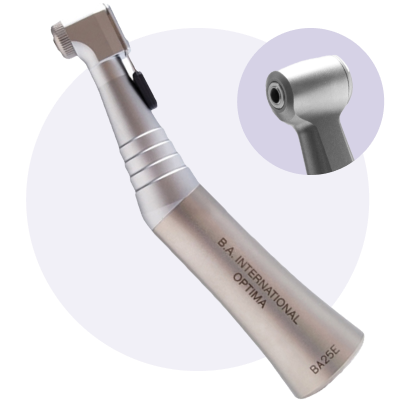
Low Speed Handpieces
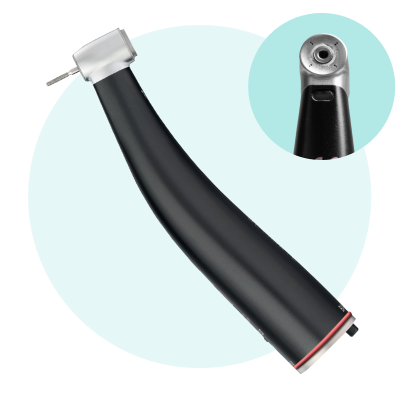
Electric handpieces
For additional help finding the right dental handpiece, motor, coupling or maintenance kit,
speak to Jack our handpiece specialist on 01634 878759.

Find the right handpiece
For additional help finding the right dental handpiece, motor, coupling or maintenance kit,
speak to Jack our handpiece specialist on 01634 878759.
Find the right handpiece
For additional help finding the right dental handpiece, motor, coupling or maintenance kit,
speak to Jack our handpiece specialist on 01634 878759.
Handpiece Gear Ratios Explained
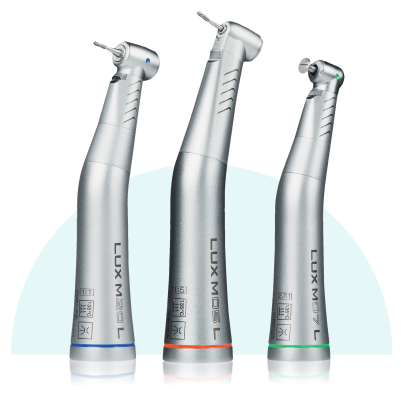
Top Selling Contra Angles
A simple definition of CAD/CAM dentistry is the use of digital software to design and manufacture dental restorations and prostheses. CAD stands for computer-aided design and CAM stands for computer-aided manufacturing. The technology can be used to create crowns, dentures, inlays, onlays, bridges and veneers among other things. The speed of the CAD/CAM process allows for dental prosthetics to be designed, manufactured and delivered to the patient in quick time, sometimes the same day. The wider system of using computer assisted technologies to produce restorations is known as CEREC (Chairside Economical Restoration of Aesthetic Ceramics).
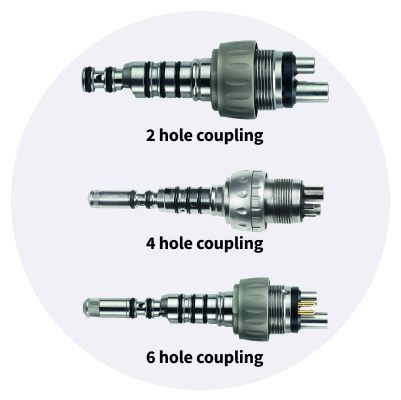
Handpiece Couplings


Electric handpieces are considered to have greater concentricity compared to air driven handpieces as the turbine is more likely to experience concentricity-compromising wear and tear. Answer
Emitted from the handpiece head, in-built fibre optic lighting can be used to illuminate the cutting surface and assist with intra-operative vision. Further detail on fibre optics can be found here.
W&H fibre optic handpieces offer “daylight quality light” in some of/all their handpieces which is superior to other manufacturers.
To protect against this, handpieces should ideally produce as low a decibel (dB) rating as possible without compromising performance.
Air driven turbines generally produce more noise than electric handpieces.
Patients may find quieter handpieces easier to tolerate, however some dentists use the sound created by the handpiece as a guide, so it’s important to weigh up these factors
Large heads (14.5 x 13mm) produce more torque and cutting power which speeds up procedures.
Standard sized head sizes (11.9 x 10.2mm) are considered a middle ground that can offer the partial strengths of both with no glaring weakness.
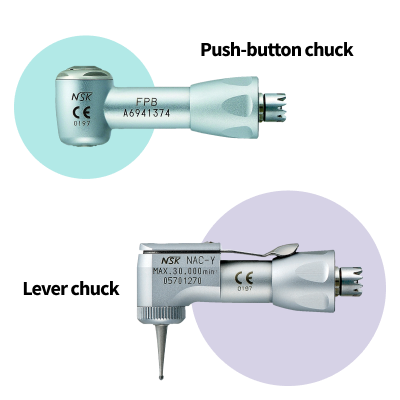
One of the most basic decisions a dentist must make when choosing a handpiece is what type of chucking mechanism to use (i.e. how is the bur retained and changed?)
Autochucks are by far the more popular choice as they do not require the use of any other tools to open or close the chuck. Located on the back of the handpiece head, autochucks can release a bur or lock it into place using either a push-button or lever system.
Manual chucks are considered somewhat outdated and involve the use of a small wrench to secure and loosen the bur.
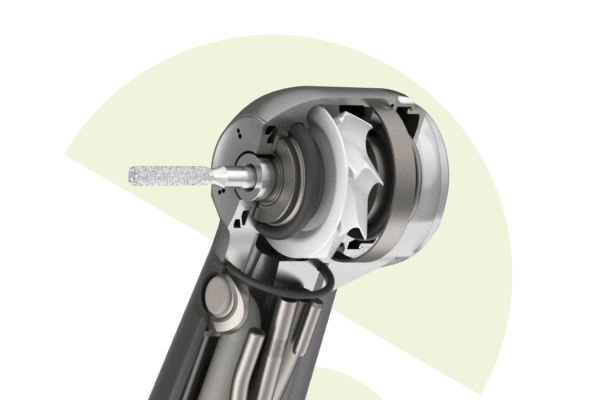
Whatever material is used, it is crucial to keep bearings in the best condition by cleaning and lubricating them often in accordance with the manufacturer’s instructions.
The lighter the handpiece, the more comfortable it should feel to use. Modern handpieces are designed to be lightweight and perfectly balanced - ideal for using for extended periods of time without causing strain.
Some handpieces, such as the BA250LT and BA200LTS contra angles, come with a PVD "smart coating" for enhanced grip.
Ensure you always buy your handpieces from a reputable dental supplier such as Kent Express. Don’t be tempted to buy cheap copies online, for example from well-known auction websites – you have no idea where the product is manufactured, quality is often an issue, and cheap copy handpieces often do not meet European safety standards.
Ensure your handpiece holds the CE mark and look for manufacturer guarantees. Ensure the manufacturer can offer technical support post-purchase if required.
The country of manufacture is also important: Germany, Austria, Switzerland and Japan are known to produce excellent quality handpieces.
Handpiece Repair
However well you maintain your dental handpiece, there’s bound to come a time when it needs repairing. Always consider repairing your handpiece first before purchasing a brand new one. Signs that your handpiece may need repairing include if it is emitting excessive vibrations, if it is not rotating as fast as it should or it’s making unusual noises. If these issues occur, it is worth having your handpiece checked over as the inner mechanisms might need a professional repair.
For additional help finding the right dental handpiece, motor, coupling or maintenance kit, speak to Jack our handpiece specialist on tel: 01634 878759
Email Jack for more info →
Handpiece and Equipment Repairs
In partnership with B.A. International, Kent Express provide a fast handpiece and small equipment repair service.
Share


