


- Infection Control
Shop Our Top Infection Control Products
- Offers and Promotions


Interdental brushes
For so long stuck the shadow of dental floss, interdental brushes are now widely considered the most effective form of interdental cleaning. Many dentists now recommend patients use interdental brushes as part of their everyday oral hygiene routine to remove plaque and prevent gum disease.
What are interdental brushes?
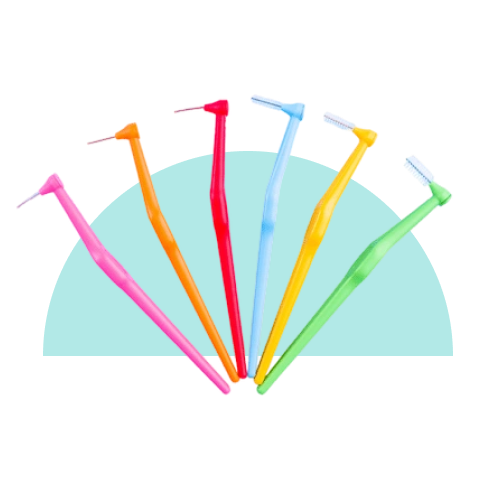
Wisdom clean between interdentals
TePe regular interdental brushes
Acclean brushes
Interdental brush sizes
TePe vs Acclean interdental brushes
TePe is the UK’s most famous interdental brush brand, known for their distinctive small and colourful handles.While undoubtedly one of the best interdental brushes on the market, there is little to choose between TePe and a brand like Acclean.
In terms of quality and key features the two brands are near identical, however Acclean interdental brushes come at a significantly lower price.
How to use interdental brushes
Are interdental brushes reusable?
Interdental brushes are reusable and can be used several times provided they are rinsed thoroughly after use. Like a normal toothbrush, a new interdental brush is needed once the filaments on the head have been worn out.
Is it normal for gums to bleed?
Bleeding gums is quite normal for patients when they first start using interdental brushes. Bleeding should reduce over time as the gums become healthier. If the bleeding continues and is excessive, it may be because the brush is not being used right or is the wrong size.
Do interdental brushes cause gaps?
This is a common question patients have when told to begin interdental brushing. Interdental brushes should not cause gaps between teeth if the patient is using them correctly. Incorrect use of the brush or using the wrong size can cause trauma to the gums and lead to gapping.
Interdental brushes vs floss
“Evidence supports the use of small interdental brushes for cleaning between the teeth where there is space to do so, in preference to flossing,” according to the British Society of Periodontology (BSP).
But the BSP adds that flossing “is not as a waste of time” and is a “viable alternative to interdental brushing where appropriate”.
The choice of what type of interdental cleaning to recommend a patient depends on several variables. These include patient compliance, patient dexterity, the size of the gaps between the teeth and whether they have gum disease.
Many patients benefit from using both floss and interdental brushes for different areas of the mouth. When gum disease is present in a patient with adequate space between their teeth, interdental brushes are highly recommended as studies have shown them to be more effective than floss at reducing plaque and gum inflammation.
Share


